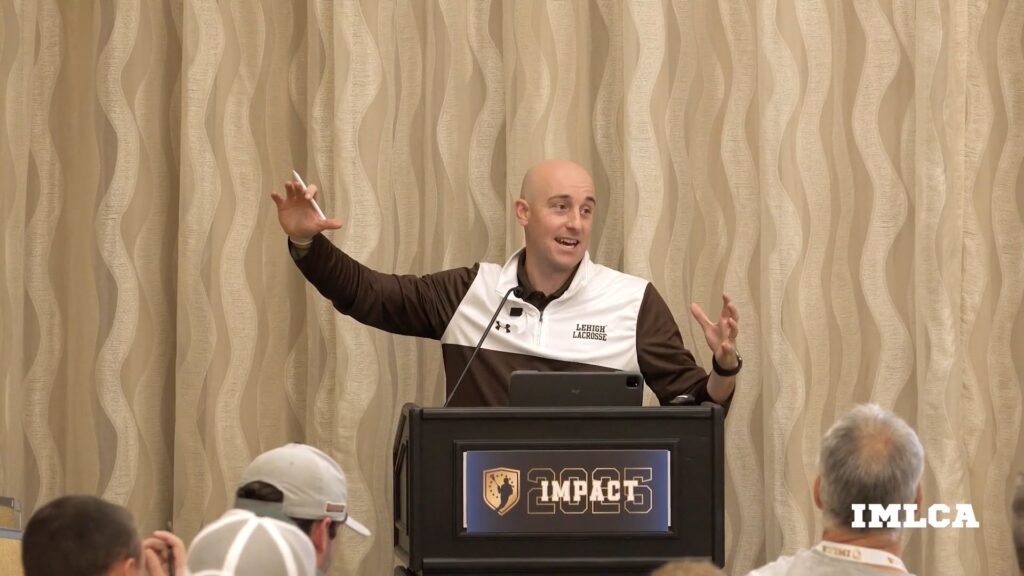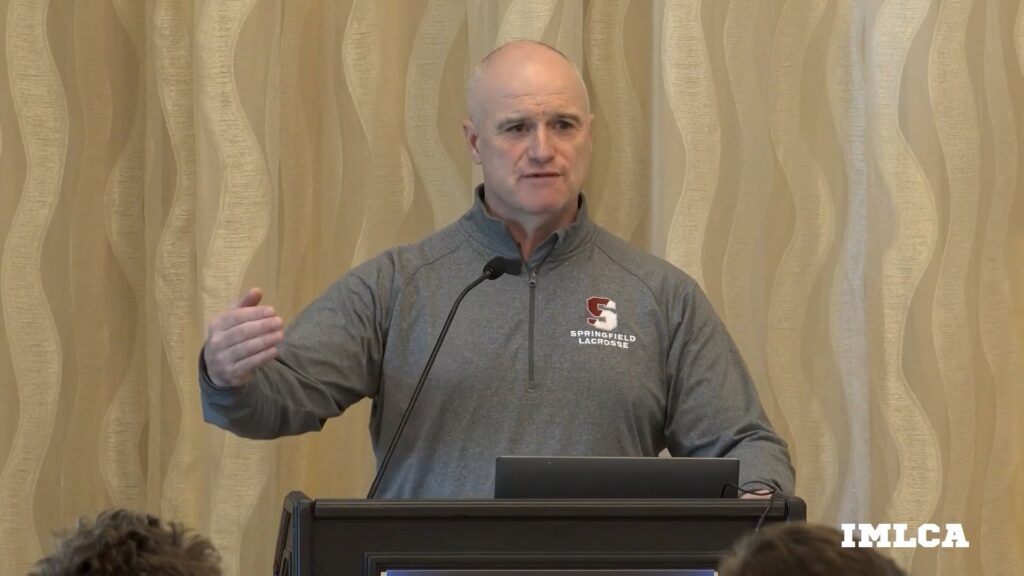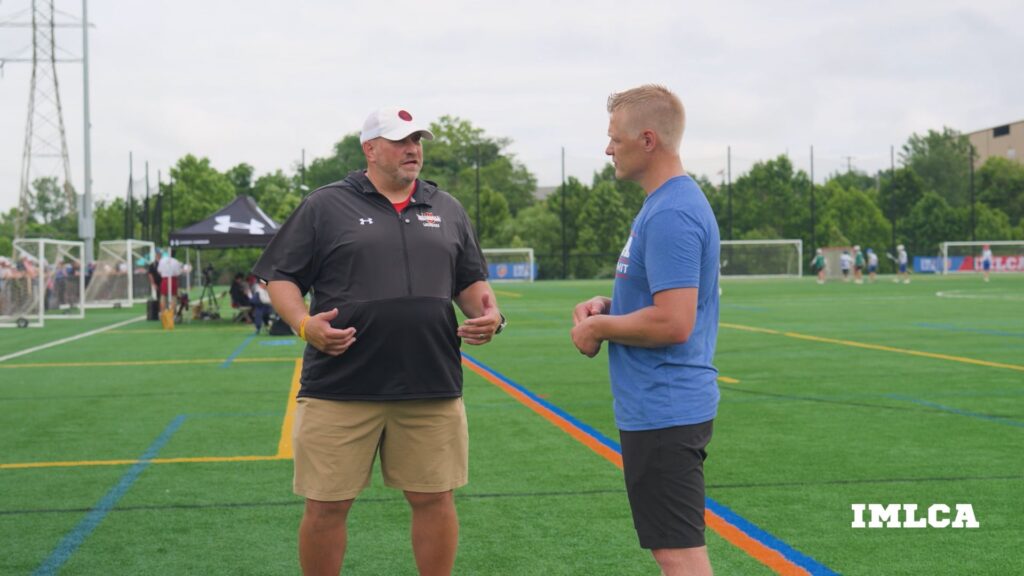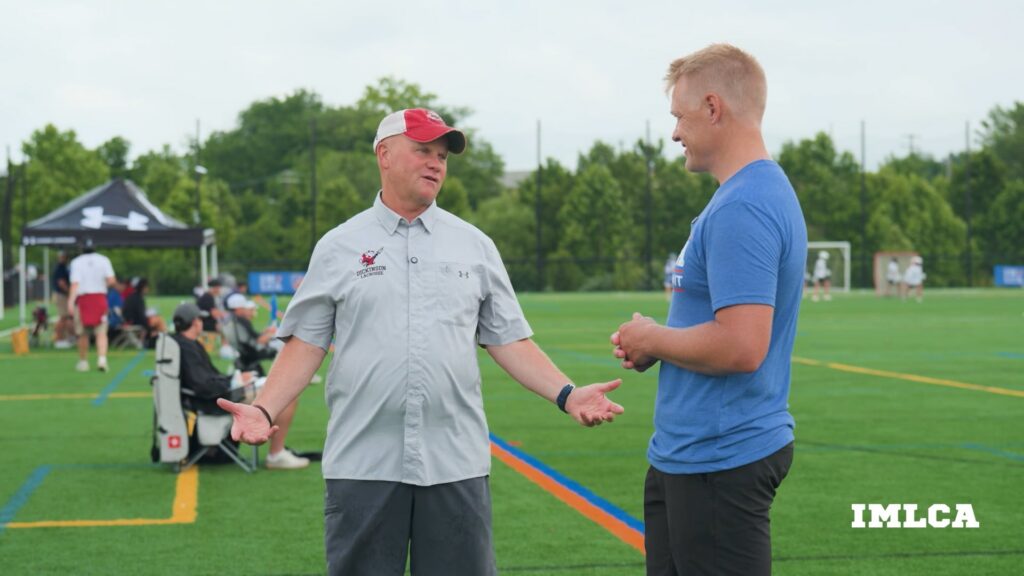

In this conference clip, we explore embracing a role as one of the most important lessons players can learn, and how every decision within a program should ultimately be guided by what is best for the team.
Key takeaways include:
- Teaching players to embrace roles that serve the team, even when they differ from personal expectations
- Managing outside influences that can undermine buy-in and create resistance to coaching decisions
- Framing difficult conversations around team needs rather than individual preferences
- Building a culture where selflessness and accountability outweigh personal agendas
- Using the principle of “what is best for the team” as a guide for discipline, personnel decisions, and leadership challenges
Role acceptance is rarely easy, so the challenge is helping athletes understand that their value is not determined by a title or position, but by the impact they have on the collective group. By consistently reinforcing team-first thinking, coaches create a culture where players learn to prioritize organizational success over individual desires. Whether addressing a role change, handling a disruptive personality, or making a difficult roster decision, the guiding question remains the same: What is in the best interest of the team?