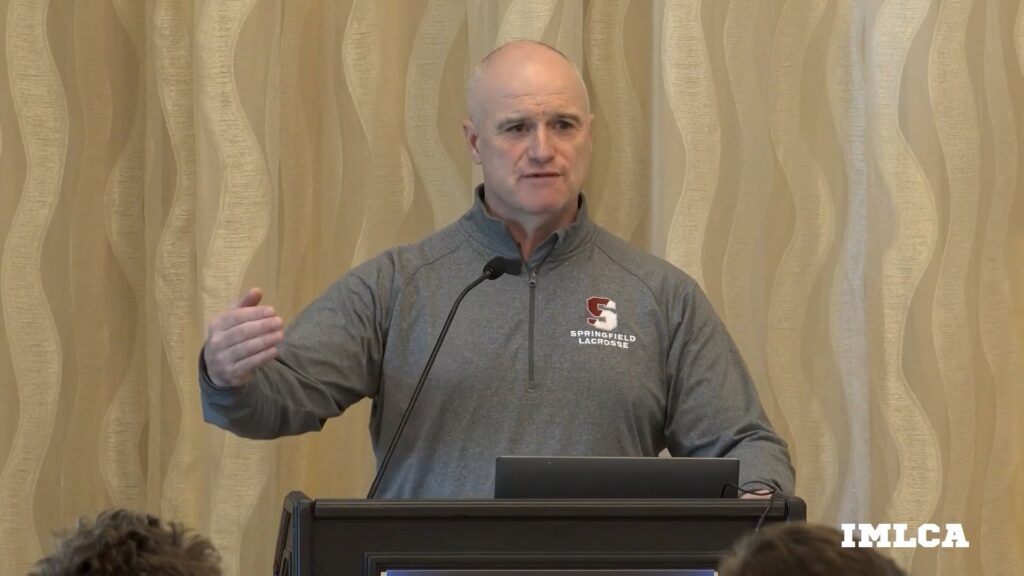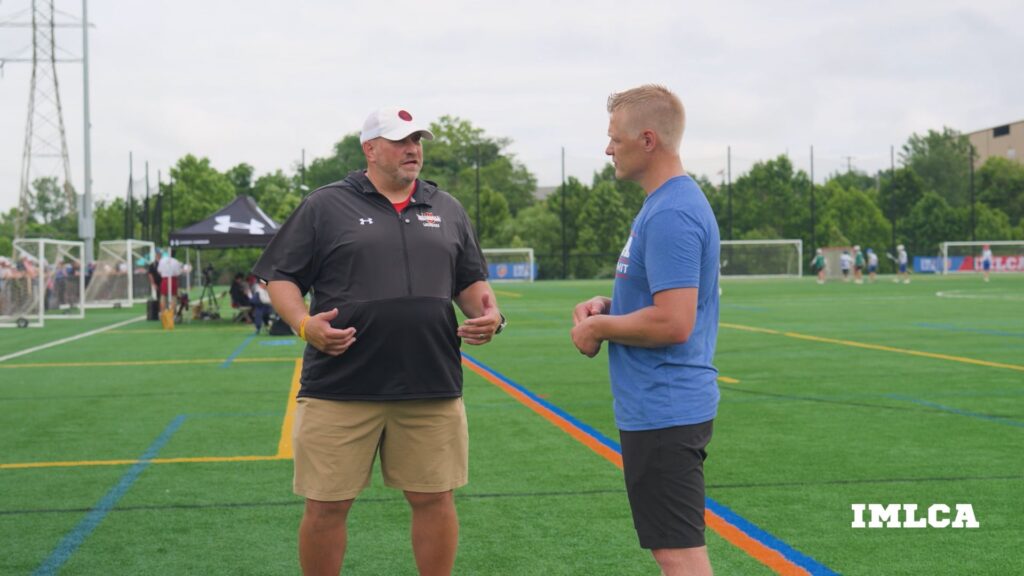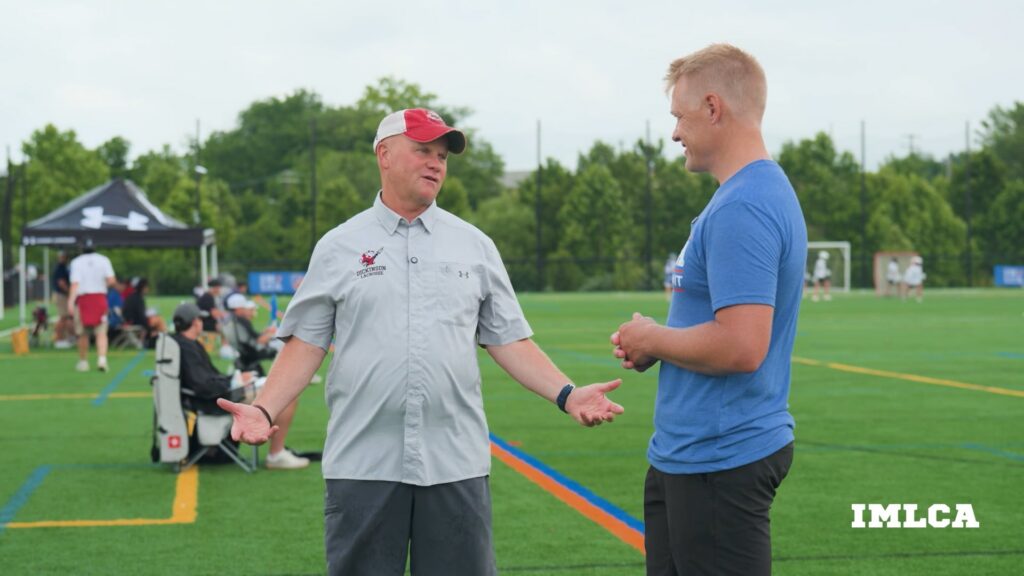

In this conference clip, Sean Quirk of Springfield College explains how task leaders function as the operational backbone of his program, creating structure, accountability, and consistency long before coaches ever step in.
Key takeaways include:
- Establishing task leaders below the captain level to distribute leadership responsibilities across the roster
- Empowering first, second, and third-year players to own operational areas of the team environment
- Assigning clear accountability for practice logistics like field setup, equipment, and cleanup
- Eliminating coach-driven micromanagement by letting task leaders run daily standards
By shifting ownership of daily operations to designated task leaders, the program removes friction from the practice environment and builds a self-sustaining system. Instead of coaches managing details, players maintain standards so every session can start clean, organized, and ready to run at full speed.