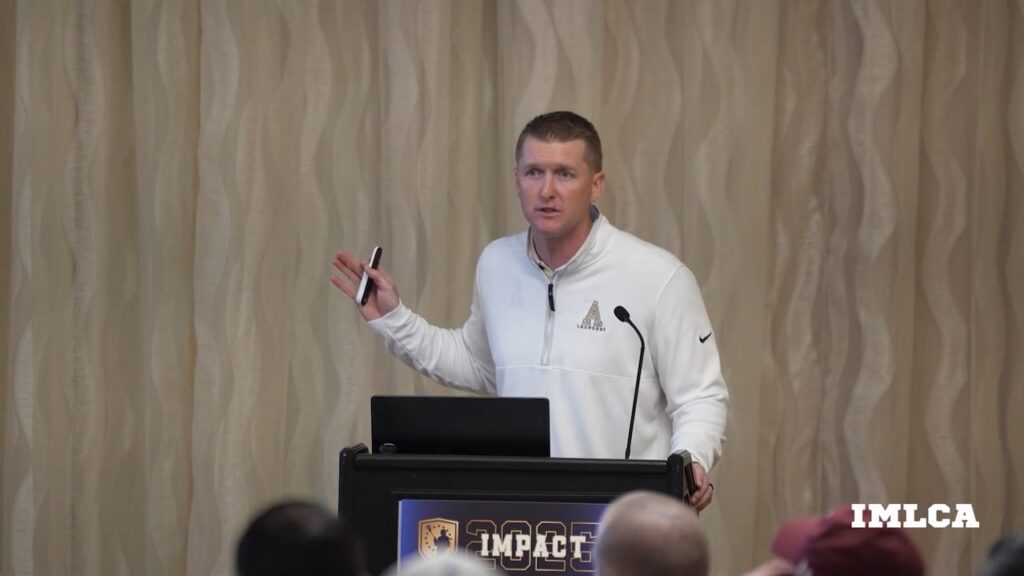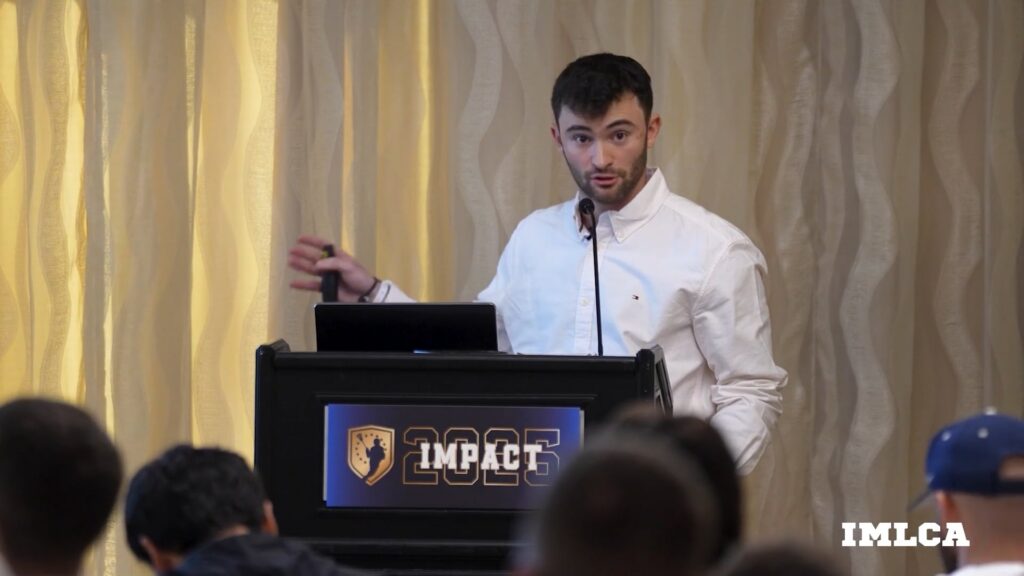

In this leadership-focused session, Rick Lewis of Army West Point breaks down what accountability actually looks like inside a high-functioning program. The emphasis isn’t on coaches policing every rep, but on players taking ownership before a whistle ever blows.
Lewis outlines how teams can build a culture where athletes reset drills, correct technique, and elevate standards themselves.
Key takeaways include:
-
Why true accountability means players addressing issues before the coach does
-
The difference between big-scale accountability (full-unit resets) and small-scale accountability (individual or cage-level corrections)
-
How upperclassmen can pause and reset a drill when the direction or energy slips
-
Teaching players to recognize when technique, communication, or focus needs adjustment
-
Why leadership moments can be both corrective and positive
-
Reducing pressure on younger athletes while still setting expectations for growth
-
Creating space where freshmen aren’t required to lead full resets, but are expected to hold teammates accountable in small groups
-
How empowering athletes to “press pause” builds ownership and team maturity
This is a practical look at how accountability becomes a daily habit, not just a buzzword. By defining what it looks like at different levels, coaches can intentionally develop a player-driven culture where standards are protected from within.