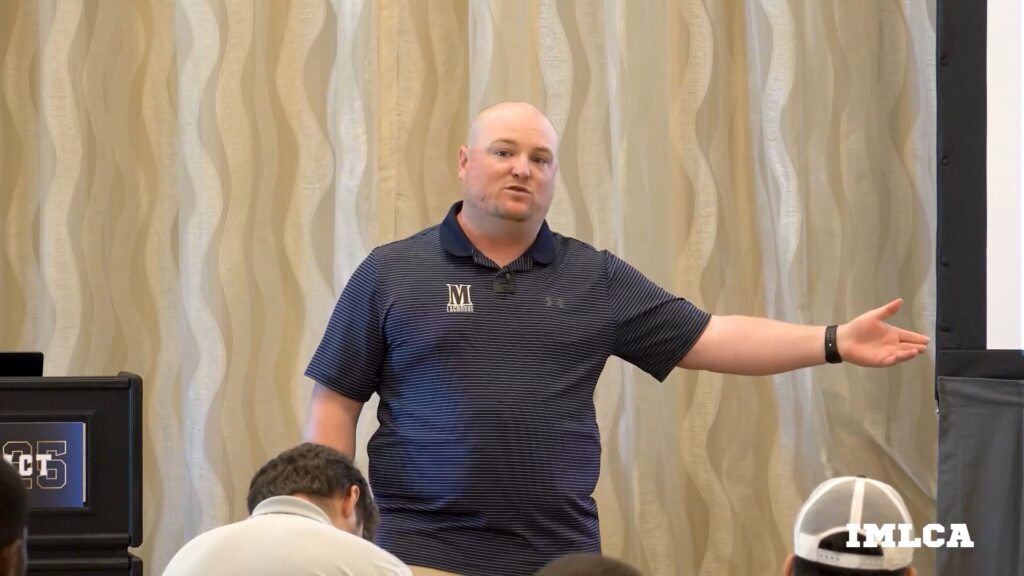

In this reflective clip, Campbell Pozin of Christopher Newport University breaks down a powerful principle behind effective practice design: the way you use constraints determines how your players actually learn.
Key takeaways include:
- Constraints are meant to shape skill, not control behavior
- The three types of constraints are: individual, task, and environmental
- Every drill should start with one question: what do we want to get out of this?
- Coaches can set the parameters, but players must discover the solutions
- Over-prescribing actions limits development and decision-making
- The goal is to guide outcomes without dictating the exact process
When used intentionally, task constraints become the most powerful tool. The best practice environments are those that create adaptable athletes who can think, adjust, and solve problems in real time.